
Japanese and Korean are two of the most popular languages for English speakers to learn, fueled by the global explosion of anime, manga, K-pop, K-dramas, and gaming culture. Both are fascinating East Asian languages with rich histories, but they're surprisingly different in structure, writing, and difficulty. If you're torn between the two, this guide will help you make an informed choice based on your goals, interests, and learning style.
The Short Answer
If you want a language that's slightly easier to start reading and has more predictable pronunciation, Korean has the edge. If you're drawn to Japan's culture and don't mind investing more time in mastering three writing systems, Japanese is deeply rewarding. Both take roughly the same total time to reach proficiency — the FSI estimates 2,200 class hours for each. The "right" choice ultimately depends on which culture, media, and career opportunities excite you more.
Writing Systems: The Biggest Difference
The writing system is where these two languages diverge most dramatically, and it's often the deciding factor for learners.
Korean uses Hangul, a single alphabetic writing system invented in the 15th century specifically to be easy to learn. Hangul has 14 basic consonants and 10 basic vowels that combine into syllable blocks. Most learners can read Hangul (sound out words) within a few days to a week. While Korean does use some Chinese characters (Hanja) in formal or academic contexts, you can live, work, and read in Korea knowing only Hangul. This low barrier to entry is a huge advantage for beginners.
Japanese uses three scripts simultaneously: Hiragana (46 characters for native Japanese words), Katakana (46 characters for foreign loanwords), and Kanji (Chinese characters — you need about 2,136 for full literacy). Learning Hiragana and Katakana takes 2-4 weeks each, but Kanji is a years-long journey. Each Kanji character can have multiple readings depending on context. This is the single biggest challenge in Japanese and the reason many learners quit.
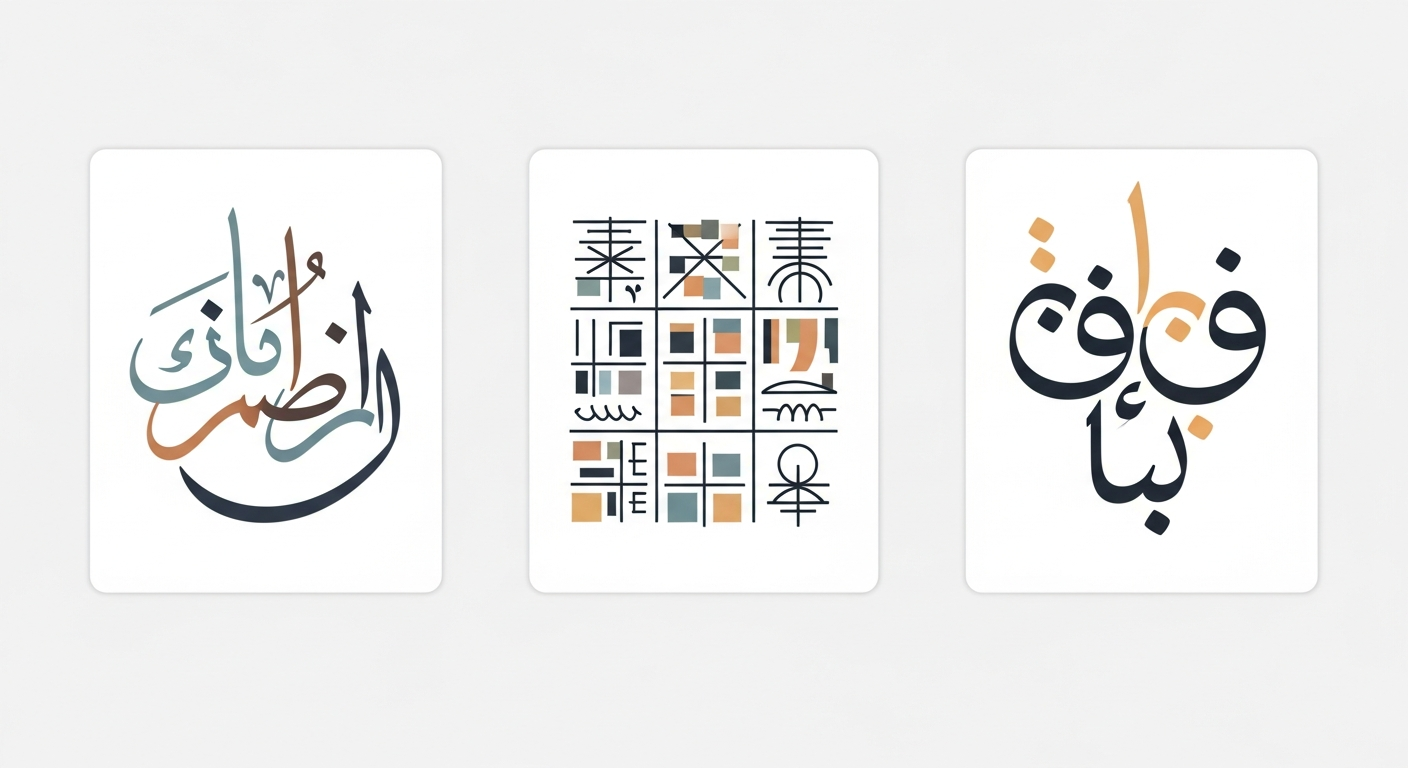
The practical impact is significant. After one month of Korean study, you can read signs, menus, and basic texts (even if you don't understand the words). After one month of Japanese, you can read Hiragana and Katakana texts, but you'll hit a wall whenever Kanji appears — which is constantly in real-world Japanese.
Grammar: More Similar Than You'd Expect
Surprisingly, Japanese and Korean grammar are remarkably similar to each other — and both are very different from English.
Both languages follow Subject-Object-Verb (SOV) word order, meaning "I eat rice" becomes "I rice eat." Both are agglutinative, meaning you build meaning by stacking suffixes onto word stems. Both use particles to mark grammatical relationships (subject, object, topic, location). And both have elaborate honorific systems where the form of speech changes based on the social relationship between speaker and listener.
Korean grammar is generally considered slightly more complex in its verb conjugation patterns. Korean has more irregular verbs and a wider variety of sentence endings that convey nuance about mood, certainty, and politeness. The honorific system in Korean is deeply embedded in daily life — using the wrong speech level is a genuine social faux pas, not just a grammatical error.
Japanese grammar is somewhat more regular in its verb conjugations but introduces unique challenges like multiple counting systems (different counter words for flat objects, long objects, small animals, etc.) and a distinction between transitive and intransitive verb pairs that doesn't exist in Korean or English.
For English speakers, both languages require a fundamental rewiring of how you think about sentence construction. The learning curve is steep at first but levels off once the SOV pattern becomes natural — usually after 3-4 months of consistent study.
Pronunciation: Korean Is Trickier Than It Looks
This one surprises most people. Despite Hangul's simplicity as a writing system, Korean pronunciation is actually harder than Japanese for most English speakers.
Japanese pronunciation is relatively straightforward. It has only 5 vowel sounds (the same as Spanish), a limited set of consonant-vowel combinations, and no tones. The rhythm is mora-timed, meaning each syllable gets roughly equal length. Most English speakers can produce intelligible Japanese pronunciation within the first few weeks.
Korean pronunciation has more vowel distinctions (including some that English speakers find very difficult to hear or produce), consonant distinctions based on aspiration and tenseness (three types of each stop consonant), and significant sound change rules where pronunciation shifts depending on surrounding sounds. The gap between how Korean is written and how it's actually spoken is larger than in Japanese.
That said, neither language is tonal (unlike Chinese or Vietnamese), which is a major relief for English speakers.
Cultural Motivation: What Pulls You In?
Language learning is a multi-year commitment, and your motivation source matters enormously. Be honest about which culture genuinely excites you.
Learn Japanese if you're passionate about: anime and manga (the world's largest animation and comics industry), Japanese video games and the gaming industry, traditional arts like calligraphy, tea ceremony, and martial arts, Japanese cuisine beyond sushi (regional cooking, izakaya culture), the technology and robotics sector, living or working in Japan, or J-pop and Japanese cinema.
Learn Korean if you're passionate about: K-pop and the global Hallyu wave, K-dramas and Korean cinema (think "Parasite," "Squid Game"), Korean beauty and skincare culture, Korean food culture (Korean BBQ, street food, home cooking), the Korean tech industry (Samsung, LG, Hyundai), Korean webtoons and digital content, or living or working in South Korea.
Both countries have thriving pop cultures with massive global fanbases, so neither choice leaves you short of immersion content. The question is which content you'll actually consume daily for years — because that's what sustains motivation through the difficult middle stages of language learning.
Career and Practical Value
From a career perspective, both languages offer strong opportunities, but in different sectors.
Japanese is valuable in automotive and manufacturing (Toyota, Honda, Sony), gaming and entertainment (Nintendo, Square Enix, Studio Ghibli), technology and robotics, academic research (Japan produces significant research output), and international business in Southeast Asia where Japanese companies have major operations.
Korean is increasingly valuable in technology and electronics (Samsung, SK Hynix, LG), entertainment and media (the Hallyu industry is a multi-billion dollar export), cosmetics and beauty, e-commerce and digital platforms (Naver, Kakao, Coupang), and international development (Korean companies are expanding rapidly across Asia and Africa).
Japan has the larger economy (third-largest globally), but South Korea's economy is growing rapidly and Korean language skills are increasingly sought after as Korean companies expand internationally. The market is also less saturated — there are fewer Korean speakers among foreigners than Japanese speakers, so your skills stand out more.
Difficulty and Time Investment
The FSI rates both Japanese and Korean as Category V languages — the hardest category for English speakers, requiring approximately 2,200 class hours to reach professional proficiency. However, the difficulty is distributed differently.
Japanese front-loads its difficulty. The three writing systems create a steep initial climb, and Kanji remains a persistent challenge throughout your studies. However, pronunciation is forgiving, and grammar becomes increasingly manageable as patterns click into place.
Korean is more evenly challenging. The writing system is easy (a genuine quick win), pronunciation requires ongoing attention, grammar is dense with irregular patterns, and the honorific system demands cultural sensitivity that takes years to fully internalize.
Most learners find that Korean feels easier in the first 3-6 months (thanks to Hangul), while Japanese learners often hit their stride after the first year once they've accumulated enough Kanji to read real content.
Can You Learn Both?
Yes — and there are real advantages to doing so. Because Japanese and Korean share similar grammar structures and both borrow heavily from Chinese vocabulary, learning one significantly reduces the effort needed for the other. Many polyglots recommend learning them sequentially rather than simultaneously, starting with whichever interests you more.
If you do eventually learn both, you'll find that roughly 60% of Korean and Japanese vocabulary shares Chinese-origin roots (though pronunciation differs). Grammar patterns transfer well between the two. And you'll have access to the cultural output of two of Asia's most creative and dynamic societies.
The Bottom Line
There's no wrong choice here. Both Japanese and Korean are rich, rewarding languages that open doors to fascinating cultures and real career opportunities. Choose Japanese if its writing system challenge excites you and Japan's culture is where your heart lies. Choose Korean if you want a quicker start with Hangul and the Korean Wave is what gets you out of bed to study.
For more guidance on your language learning journey, explore our JLPT levels explained guide or TOPIK levels explained guide to understand proficiency milestones, our 3-month JLPT N5 study plan for Japanese beginners, or our guide to learning Korean through K-pop for a culture-driven approach.