
The Silent Loss That Diaspora Families Feel
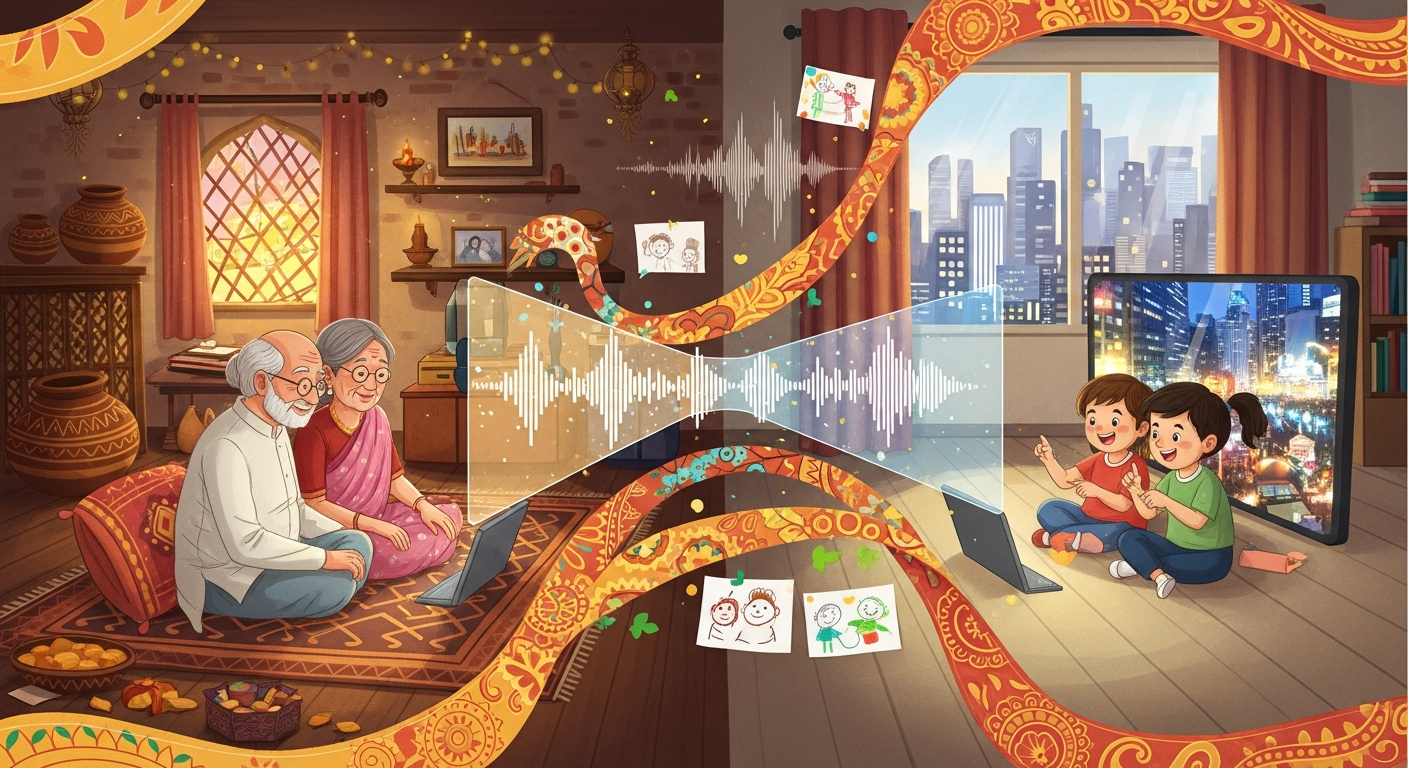
There's a moment that many NRI parents dread. Your child is on a video call with their grandparents in India, and the conversation stalls. The grandparents speak Marathi, Tamil, or Kannada. The child understands fragments but can't respond. Everyone smiles through the awkwardness, but underneath it, something important is slipping away.
This isn't just about language. It's about identity, belonging, and the thread that connects generations. When a child loses their heritage language, they lose access to an entire world — family stories, cultural nuances, humor, and the emotional vocabulary that only a mother tongue can carry.
The good news is that heritage language loss isn't inevitable. With the right approach and tools, diaspora families can raise children who are genuinely connected to their linguistic roots — even when the dominant language outside the home is English, German, or French.
What Is Heritage Language Learning?
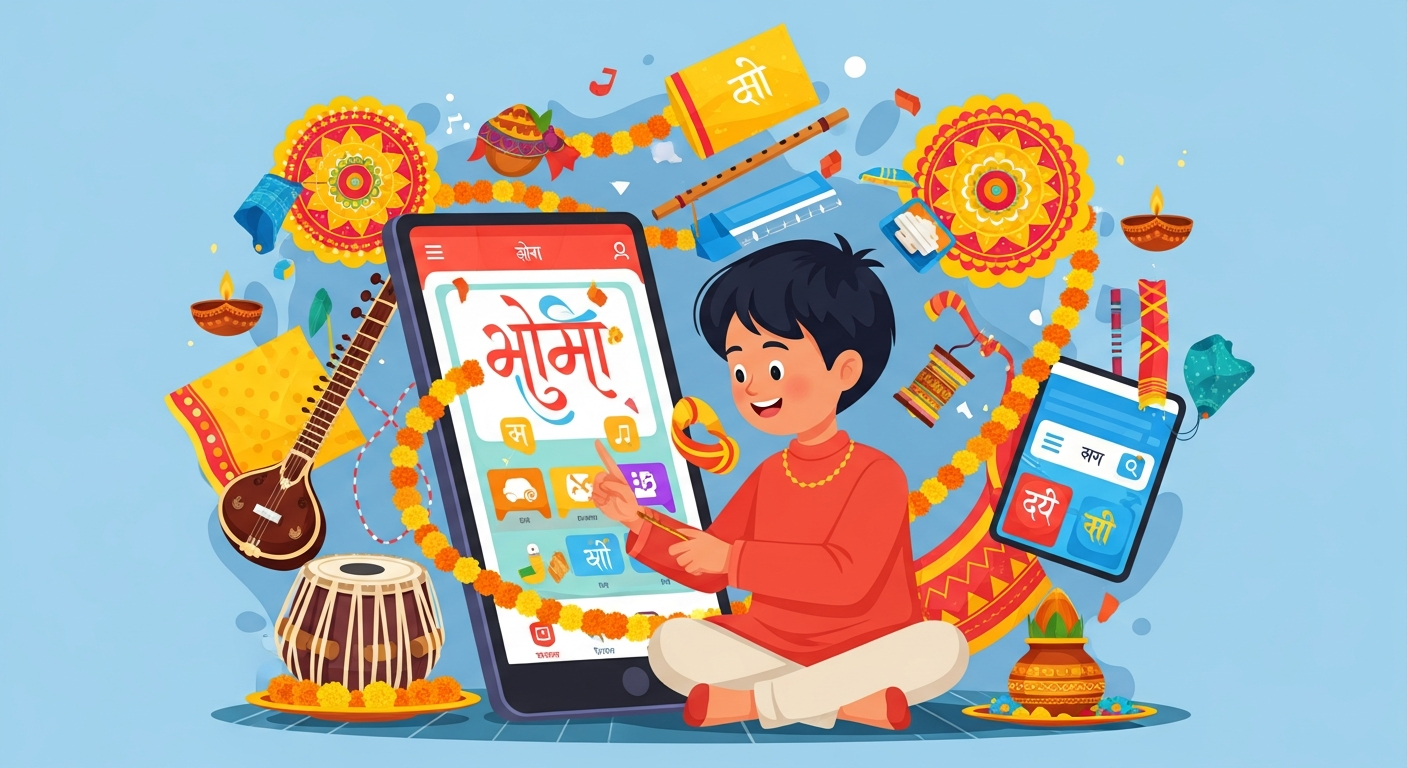
A heritage language is a language that a person has a cultural or familial connection to, but that isn't the dominant language of the country they live in. For the Indian diaspora — families in the US, UK, Canada, Germany, Australia, and the Gulf — heritage languages include Hindi, Tamil, Telugu, Kannada, Marathi, Bengali, Gujarati, Malayalam, and dozens more.
Heritage language learning is different from foreign language learning in important ways. Your child isn't starting from zero. They've likely heard the language at home, absorbed some vocabulary passively, and have an emotional connection to it. The challenge isn't motivation from scratch — it's building on a foundation that exists but hasn't been formalized.
Why Heritage Languages Fade — And Why It Matters
The Three-Generation Pattern
Linguists have documented a consistent pattern in immigrant families worldwide. The first generation speaks the heritage language fluently. The second generation (born or raised abroad) is bilingual but dominant in the host country's language. By the third generation, the heritage language is often gone entirely.
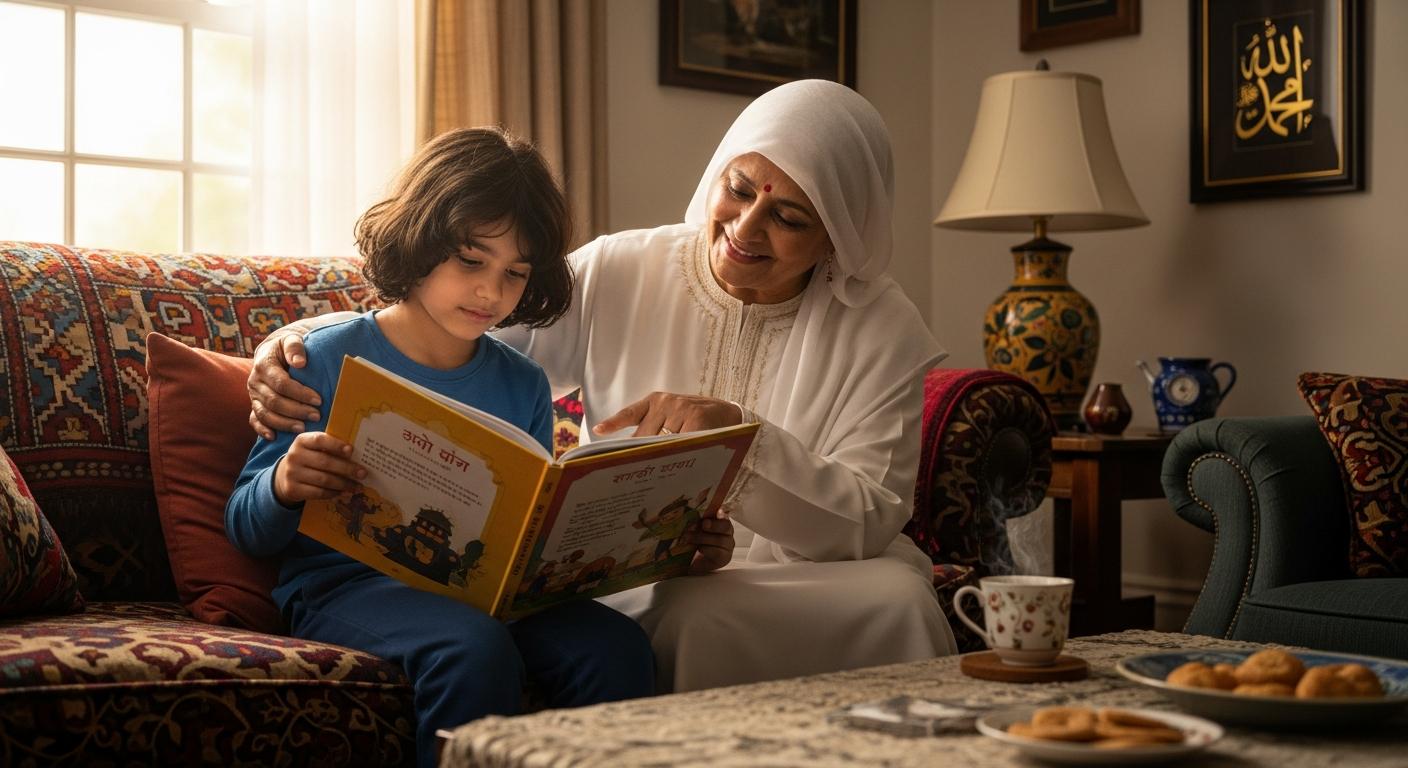
This three-generation shift happens because the dominant language of school, friends, media, and work inevitably takes over. Without deliberate effort, the heritage language gets squeezed out of daily life.
What's Actually Lost
When a heritage language fades, families lose more than words:
- Family connection — Grandparents who don't speak English fluently become harder to talk to. The deepest family stories, the ones told in the mother tongue, become inaccessible.
- Cultural access — Literature, music, films, religious texts, and festivals are all richer when you understand the original language. A Carnatic music concert, a Marathi play, or a Tamil wedding hits differently when you understand what's being said.
- Identity and belonging — Many second-generation diaspora kids describe feeling "not Indian enough" for India and "not American enough" for America. Language is one of the strongest bridges across that gap.
- Cognitive benefits — Bilingualism improves executive function, creative thinking, and even delays cognitive decline in old age. Heritage language maintenance gives children these benefits for free.
Practical Strategies That Actually Work
1. The "One Language at Home" Rule
The simplest and most effective strategy is to use the heritage language as the default language at home. Children will get plenty of English (or German, or French) from school and friends. Home is where the heritage language has to live.
This doesn't mean banning English entirely — that often backfires and creates resentment. It means making the heritage language the natural, default choice for family conversations. If your child responds in English, gently reply in the heritage language. Consistency matters more than strictness.
2. Make It Fun, Not a Chore
The fastest way to kill a child's interest in their heritage language is to make it feel like homework. Instead of grammar drills and vocabulary lists, use the language in contexts that children naturally enjoy: watching cartoons in the language, playing games, cooking together while naming ingredients, and storytelling at bedtime.
For older children, find content they're already interested in — if they love cricket, find Hindi cricket commentary. If they're into K-pop, they might be interested in learning that Langmitra teaches Korean too.
3. Build a Community
Language thrives in community. Seek out other families in your area who speak the same heritage language. Organize playdates where children interact in the language, join cultural organizations, and attend language-specific events. Knowing that other kids also speak Kannada or Telugu normalizes it — it's not just "something my parents make me do."
4. Use Technology Strategically
This is where modern apps can make a real difference. The challenge with heritage language learning has always been finding structured resources in the right language. Most language apps teach European languages to English speakers. Very few address the specific needs of diaspora families trying to maintain Indian languages.
How Langmitra Supports Heritage Language Families
Langmitra was built with diaspora families in mind. Here's how it addresses the specific challenges of heritage language maintenance:
- Heritage language tracks — Unlike generic language courses, Langmitra offers dedicated heritage tracks that recognize the learner already has some passive exposure. These tracks focus on building active speaking ability, literacy, and cultural fluency rather than starting from absolute zero.
- Native-language instruction — Explanations are available in Hindi, Tamil, Telugu, Kannada, and Marathi. A child learning formal Tamil can hear explanations in the conversational Tamil they already know from home.
- Podcast-based format — Children can listen to episodes in the car, during meals, or before bed. The format is naturally engaging and doesn't feel like a classroom exercise.
- Cultural context built in — Lessons include cultural references, festival vocabulary, family relationship terms, and real-world scenarios that heritage learners actually encounter (like talking to grandparents or participating in puja).
- Progress tracking for parents — Parents can see what their child is learning and reinforce it in daily conversation at home.
A Realistic Timeline for Heritage Language Development
Heritage language learning isn't a sprint — it's a years-long investment. Here's what realistic progress looks like:
Ages 2-5 (Foundation years): Maximum exposure at home. Speak to children exclusively in the heritage language if possible. Play songs, tell stories, and use the language for daily routines. At this age, children absorb language effortlessly.
Ages 6-10 (Literacy building): Children are now reading and writing in their school language. Introduce heritage language literacy alongside it. Even 15-20 minutes a day of structured practice makes a significant difference. This is a great age to start using an app like Langmitra alongside home conversation.
Ages 11-15 (Identity formation): Preteens often push back against heritage language use as they navigate identity and peer pressure. This is where making the language "cool" matters — connect it to music, movies, social media content, and travel. Forcing it rarely works; making it relevant does.
Ages 16+ (Reclamation): Many diaspora teens and young adults develop a renewed interest in their heritage language as they mature. Having even a passive foundation from childhood makes this "reclamation" dramatically easier than starting from scratch.
Getting Started Today
If you're a diaspora family wanting to strengthen your children's connection to their heritage language, here are three things you can do this week:
- Audit your home language use. How much of your daily conversation is in the heritage language vs. English? You might be surprised. Set a goal to increase heritage language use during meals and bedtime.
- Find one piece of engaging content in the heritage language. A YouTube channel, a podcast, a cartoon series — something your child will actually enjoy, not just tolerate.
- Download Langmitra and explore the heritage tracks. Start with just one episode a day. The podcast format means it fits easily into car rides or morning routines.
Your heritage language is a gift — one that connects your children to thousands of years of culture, literature, and family history. It's worth the effort to keep that gift alive.
Ready to start your family's heritage language journey? Try Langmitra's heritage tracks — designed specifically for diaspora families.